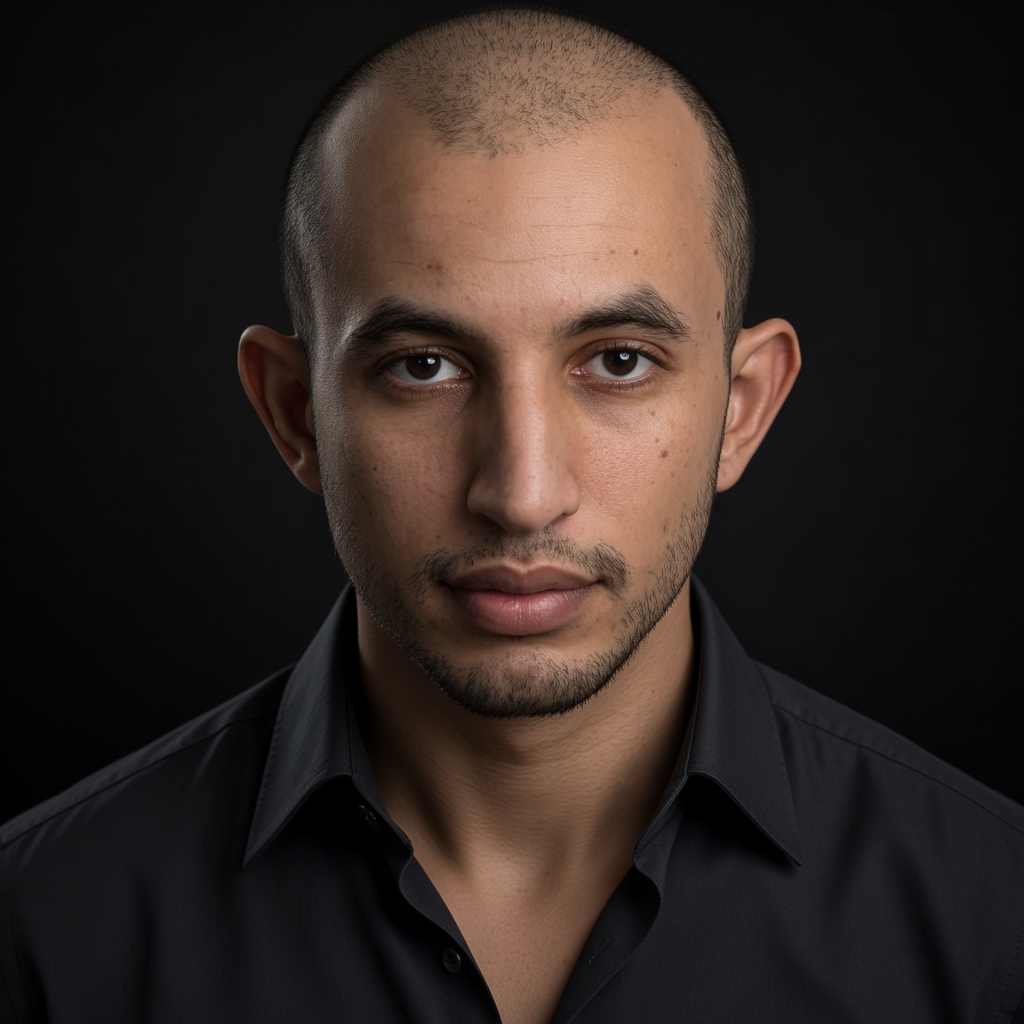
What Is an AI Professor in Morocco? Role, Career & Research
The field of Artificial Intelligence is transforming industries worldwide, and Morocco is no exception. As universities and institutions across the country integrate AI into their curricula, the role of an AI Professor in Morocco has become increasingly vital. But what exactly does an AI Professor do? How does one become one? And why is this role so critical for Morocco's future in technology and innovation?
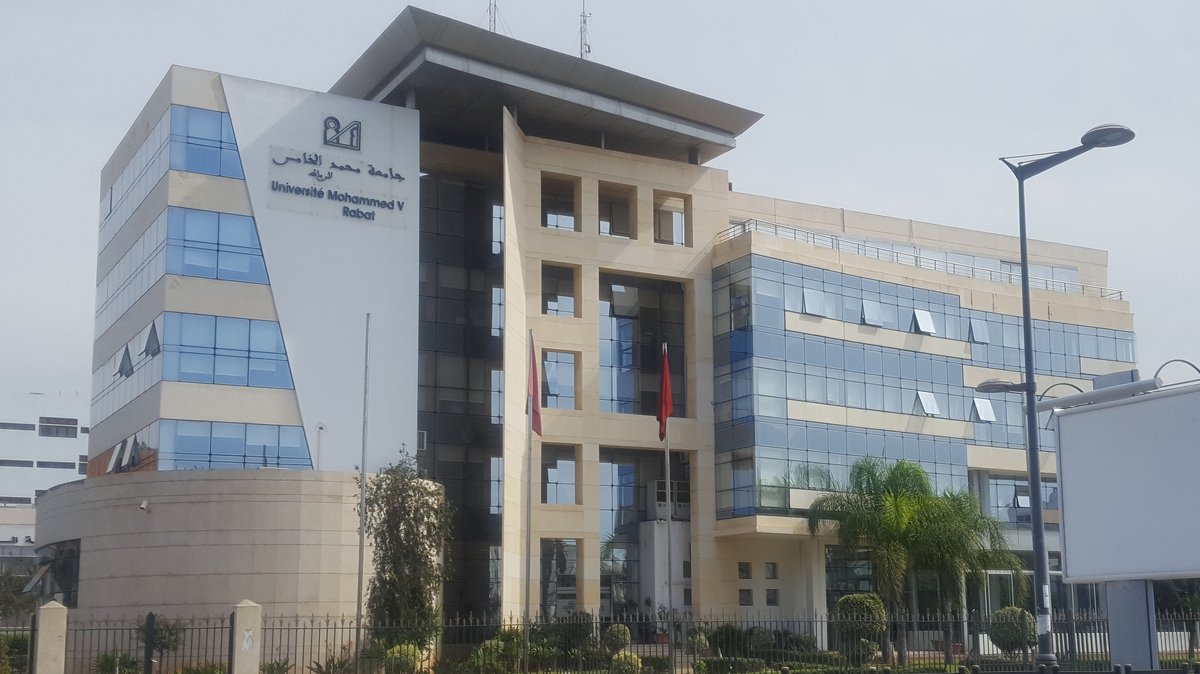
What Does an AI Professor in Morocco Do?
An AI Professor in Morocco is a university-level academic who teaches, researches, and advances the field of Artificial Intelligence. This role combines three core responsibilities:
- Teaching: Designing and delivering courses on AI, deep learning, computer vision, cybersecurity, data science, and digital culture. An AI Professor prepares the next generation of engineers and researchers to tackle real-world challenges.
- Research: Conducting original research in AI subfields such as pedestrian detection using deep learning, generative adversarial networks (GANs), intelligent agents, and natural language processing. Moroccan AI professors publish in Scopus-indexed journals and international conferences.
- Innovation & Leadership: Leading projects, organizing workshops, mentoring students, and bridging the gap between academic research and practical applications in industry and society.
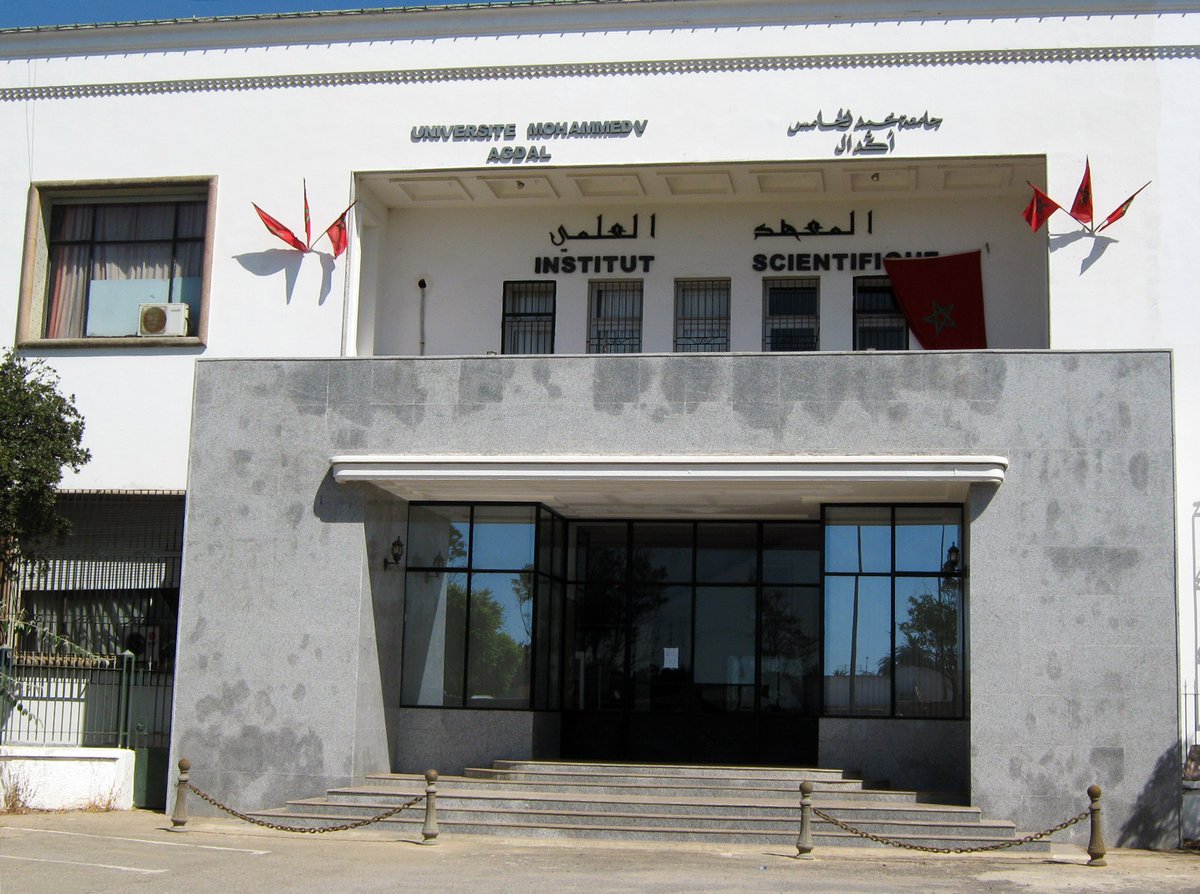
The Academic Path to Becoming an AI Professor in Morocco
The journey to becoming an AI Professor in Morocco typically follows this path:
1. Undergraduate Studies (DEUG + Engineering Degree)
The typical path for AI professors in Morocco often begins with a solid foundation in Sciences de la Matière Physique (Physical Sciences of Matter — DEUG — Diplôme d'Études Universitaires Générales), followed by an engineering degree from a Moroccan school such as ENSA (École Nationale des Sciences Appliquées) or FSTM (Faculty of Sciences and Techniques, Mohammedia). For example, Dr. Mohammed Razzok earned his DEUG in Sciences de la Matière Physique (Mention: Très Bien) from the Faculty of Sciences, Oujda, before completing his State Engineering Degree in Telecom & Networks at ENSA Oujda (Mention: Bien). The engineering program covers programming, algorithms, networks, and systems.
2. Doctoral Research (Ph.D.)
The Ph.D. is essential. It involves several years of original research, culminating in a dissertation defended before a jury. For example, Dr. Mohammed Razzok defended his Ph.D. at FSTM Mohammedia (2017–2023) with a thesis on "Contribution to the improvement of pedestrian detection and tracking by new imaging techniques. Application to sudden pedestrian crossing detection", under the supervision of Prof. Abdelmajid Badri (Director of ENSAM Casablanca) and Prof. Yassine Ruichek (UTBM, France), earning the distinction of Très Honorable.
3. Lecturing & Academic Career
After the Ph.D., the path leads to a teaching position — either as a Permanent Lecturer (Enseignant Permanent) or a Guest Lecturer at Moroccan universities and schools. This is where one truly becomes an AI Professor in Morocco, shaping curricula and guiding research.
Key Distinction: Professor vs. Researcher
In Morocco's academic system, a Professor (Professeur de l'Enseignement Supérieur) holds a Ph.D. and teaches at the university level while conducting research. This is distinct from a pure researcher — the professor combines pedagogy with scientific inquiry, training the next generation while pushing the boundaries of knowledge.
Teaching Responsibilities of an AI Professor
An AI Professor in Morocco typically teaches a diverse range of subjects that reflect the breadth of the AI field:
- Data & AI: Fundamentals of machine learning, neural networks, and data-driven decision making
- Deep Learning & Computer Vision: Convolutional neural networks, object detection (YOLO, SSD), image classification, and real-time video analysis
- Cybersecurity & Networks: Information systems security, network architecture, intrusion detection systems
- Digital Culture: The societal impact of AI, digital transformation, and AI ethics
- Programming: Python, C/C++, and applied AI programming
At the Faculty of Legal and Political Sciences in Settat, for instance, AI Professor Mohammed Razzok teaches Data & AI, Digital Culture, and Information Systems Security — bridging the gap between technical AI knowledge and its legal and societal implications.
Research Focus: Where AI Meets Real-World Impact
Research is a cornerstone of the AI Professor role. In Morocco, AI research often addresses challenges specific to the region while AI research in Morocco contributes to the global scientific community:
Pedestrian Detection & Safety
Morocco's roads present unique challenges for pedestrian safety. Research on pedestrian detection using deep learning — including work with YOLOv5, Deep-SORT, and conditional GANs — has direct applications in autonomous driving and smart city infrastructure. This is the primary research area of Dr. Mohammed Razzok, with 4 Scopus-indexed publications advancing the state of the art.
Generative AI & Intelligent Agents
The IGNIS Project, led by Dr. Mohammed Razzok, is an AI system capable of autonomously generating novel scientific ideas, algorithms, and theories. Its scope includes legal contract analysis, an intelligent legal assistant, IP management, law recommendation, exam question generation, fraud detection, signature recognition, legal translation, and judgment prediction. This represents the cutting edge of AI research — systems that don't just process data but create new knowledge.
AI & Legal Research
A growing area in Morocco is the intersection of AI and legal research. AI Professors at law schools explore how AI can assist in legal contract analysis, intellectual property management, fraud detection, and judgment prediction — all within the Moroccan legal framework.
Why Morocco Needs More AI Professors
Morocco is investing heavily in digital transformation and AI. The country needs skilled AI Professors to:
- Train the next generation of AI engineers and researchers
- Conduct research that addresses Morocco-specific challenges (traffic safety, healthcare, agriculture)
- Bridge the gap between global AI advances and local applications
- Advise on AI policy and ethics at the national level
- Foster partnerships between Moroccan universities and international research institutions
How to Find an AI Professor in Morocco
If you're looking for an AI Professor in Morocco — whether for collaboration, consultation, or academic guidance — here are some key resources:
- University websites: ENSIAS (Rabat), FSTM (Mohammedia), FSDM (Fez), and other faculties list their AI faculty members
- Google Scholar: Search for "AI professor Morocco" or "professeur IA Maroc" to find published researchers
- ResearchGate: Many Moroccan AI professors maintain active profiles with their publications
- Professional portfolios: Some AI professors, like Dr. Mohammed Razzok, maintain personal websites showcasing their teaching, research, and workshops
Interested in AI Research Collaboration?
Dr. Razzok welcomes collaboration on deep learning, computer vision, and AI research projects. Reach out to discuss research partnerships, academic supervision, or consulting opportunities.
Get in Touch →